
Flood Zones and Flood Insurance in Williamsburg, VA
Flood Zones and Flood Insurance in Williamsburg, VA
How Do Flood Zones and Flood Insurance Work When You Buy a Home in Williamsburg, Virginia?
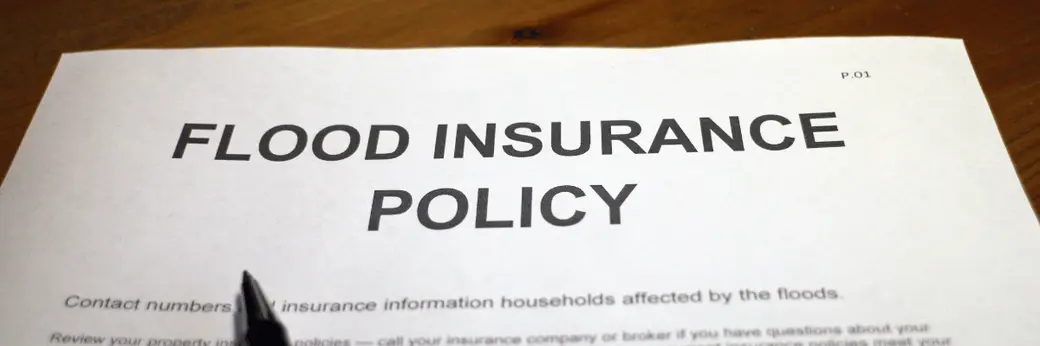
In the City of Williamsburg, James City County, and York County, your lender checks the home against FEMA flood maps. If it sits in a Special Flood Hazard Area and you have a government-backed loan, which includes a VA loan, flood insurance is required. Virginia's disclosure form makes no representations about flood zones, so the research is yours. Standard homeowners insurance generally doesn't cover flood, and new flood policies usually have a 30-day waiting period, so start early.
Flood zones surprise more buyers than almost any other line item in a Williamsburg purchase. You fall for a home, the lender runs a determination, and suddenly there's a flood insurance quote on the table that nobody planned for. Here's how it works in the City of Williamsburg, James City County, and York County, so you can plan for it before it plans for you.
This is one of the questions I hear most from relocating buyers, especially families coming from places where flood insurance never came up. Hampton Roads has rivers, creeks, tidal marshes, and low-lying lots. Flood risk follows the specific lot, not the neighborhood name, so you can't assume anything based on whether a home is in Kingsmill, Ford's Colony, Greensprings West, Windsor Forest, or Scott's Pond. Check each address.
What does Virginia's disclosure form say about flood zones?
Virginia is a buyer beware state, and the Residential Property Disclosure Statement doesn't tell you whether a home is in a flood zone. Item 10 says the owner makes no representations about whether the property is located in one or more special flood hazard areas, and it tells you to do your own due diligence. That language comes from Code of Virginia § 55.1-703.
The form points you to four steps:
- Get a flood certification or a mortgage lender determination.
- Review a map of special flood hazard areas.
- Contact FEMA, visit FEMA's National Flood Insurance Program website, or visit the Virginia Flood Risk Information website run by the Department of Conservation and Recreation.
- Determine whether flood insurance is required.
The statute says you do this under the terms of your purchase contract and before settlement. In plain English, the flood research is on your timeline, not the seller's.
Virginia also has a separate Flood Risk Information Form, which the Real Estate Board makes available under subsection D of the same section. It explains that your lender, not the form, decides whether flood insurance is required, and that homes outside a high-risk area can still flood. It also reminds you that flood maps get updated, so a zone can change. If you want the bigger picture of what sellers do and don't disclose here, I broke that down in my post on seller disclosure in Williamsburg.
What is a Special Flood Hazard Area?
A Special Flood Hazard Area, or SFHA, is a high-risk area with a 1% chance of flooding in any given year. People call that the 100-year floodplain, which is a misleading name. A 1% annual chance works out to roughly a 26% chance of at least one flood over a 30-year mortgage. That's why lenders take it seriously.
Who decides whether you need flood insurance?
Your lender does. Under federal law, lenders backed by federally regulated institutions must require flood insurance on loans for property in an SFHA, as long as the community participates in the National Flood Insurance Program. James City County's flood insurance page says the same thing in practical terms: owners of structures in the special flood hazard area must carry it if they have a government-backed mortgage.
VA loans are government-backed. So if you're using your VA benefit and the home sits in an SFHA, expect flood insurance to be a condition of the loan. The lender documents this on FEMA's Standard Flood Hazard Determination Form, using the maps in effect when they check.
Three things worth knowing before you shop:
- Outside the high-risk zone doesn't mean safe. FEMA's FloodSmart site says almost one-third of National Flood Insurance Program claims come from outside high-risk areas, and James City County puts the figure at 25% to 30%.
- Standard homeowners insurance generally doesn't cover flood damage. Virginia's own flood form says so. Wind and a flood are very different claims, and in Hampton Roads you want to understand both.
- You can choose flood coverage even when the lender doesn't require it. The form encourages buyers outside an SFHA to talk with an insurance agent, and a lower-cost preferred risk policy may be available.
How much does flood insurance cost, and when does it start?
The honest answer is that it varies too much for me to hand you a number. Premiums depend partly on the structure's elevation compared with the base flood elevation, plus coverage amounts and any flood mitigation measures on the home. A quote on your specific address is the only real answer.
Two timing details matter on a closing calendar. First, James City County notes a 30-day waiting period before a new flood policy takes effect. Ask your lender and your insurance agent how that interacts with your closing date, because policies tied to a loan closing can be handled differently. Second, the federal program's coverage limits are $250,000 for the building and $100,000 for contents. Homes in this market commonly run from $300,000 to $850,000 and up, so ask your lender exactly how much coverage they require and whether a private policy makes sense.
New construction doesn't skip this step. With so much new building across the Historic Triangle right now, a brand-new address still needs the same determination and the same insurance quote as a resale home.
How do you handle flood research on a PCS timeline?
When you're working against report-by dates, the goal is to get the flood questions answered early, in parallel with everything else, instead of discovering them in the final two weeks. This is the order I walk my clients through:
- Check the address early. Look up the exact address on FEMA's flood map, the Virginia Department of Conservation and Recreation's Virginia Flood Risk Information website, and your county's resources. York County posts a FEMA flood zone map, and as of this writing its effective date is January 16, 2015. County maps are a starting point. Your lender's determination is what counts for your loan.
- Look at storm surge separately. York County also publishes hurricane storm surge maps, which show surge zones by storm category. Those are not the same thing as FEMA flood zones, and they matter for evacuation planning.
- Get a flood insurance quote during your due diligence window. Ask your insurance agent for a flood quote while your contract deadlines are still open, so a surprise premium doesn't land in your closing budget.
- Ask whether an elevation certificate exists. An elevation certificate documents how high the structure sits compared with the base flood elevation, and that elevation affects the premium. Ask the seller's side whether one exists, and ask your insurance agent what they'll need.
- Keep flood research separate from your inspections. A general home inspection and the termite and moisture inspection will not tell you the flood zone. Run the flood checks on their own track.
- Ask your lender how much coverage they require. The federal program's limits are $250,000 for the building and $100,000 for contents, and a home here can be worth far more than that. Confirm the requirement and the timing with your lender before closing.
On that fifth step, here's where people mix things up. A home inspection is a general inspection of the home's condition, and I cover what to expect in my home inspection post. The termite and moisture inspection checks for wood-destroying insects, moisture readings throughout the crawl space and structural wood, and active fungus growth. The moisture portion is not a mold inspection, which is a separate inspection. I explain who orders it and when in my termite and moisture inspection post. Neither one tells you a flood zone, so don't count on them to.
If you're selling, expect buyers to ask about flood risk. Having your elevation certificate, if you have one, and your current flood policy declarations page handy can make a buyer's insurance quote move faster. Property tax and insurance costs are part of every buyer's monthly math, and the more you can answer up front, the smoother the contract goes.
Frequently Asked Questions
Is Williamsburg, VA in a flood zone?
Parts of the City of Williamsburg, James City County, and York County are mapped by FEMA as special flood hazard areas, and many lots are not. It depends on the specific lot, not the neighborhood. Your lender's flood determination is what settles it for your loan.
Do I need flood insurance with a VA loan in Williamsburg?
If the home is in a Special Flood Hazard Area, yes. Federal law requires lenders to require flood insurance there, and a VA loan is a government-backed loan. If the home is outside an SFHA, the lender may not require it, but you can still buy it.
Does homeowners insurance cover flooding in Virginia?
Generally no. Virginia's Flood Risk Information Form states that flood damage is not generally covered by a standard home insurance policy. Ask your insurance agent about a separate flood policy.
Does the seller have to tell me if a home is in a flood zone in Virginia?
Virginia's Residential Property Disclosure Statement says the owner makes no representations about special flood hazard areas, and it directs you to verify with a lender determination, flood maps, FEMA, or the Virginia Flood Risk Information website. Plan to verify it yourself under your contract's terms and before settlement.
Flood zones in Williamsburg are decided lot by lot, your lender makes the call on insurance, and Virginia's disclosure form leaves the research to you. Start early, get a real quote, and keep the flood checks on their own track so they don't crowd your PCS timeline.
Planning a move to the Williamsburg area? I put together the Williamsburg Military Relocation Guide, loaded with local insights, tips, and the details that make a PCS or relocation go smoothly. Grab your copy here: https://jacquelinedeleon.lofty.me/military-relocation-guide
Questions about moving to this area? Reach me at 757-870-1902. I'm happy to talk it through.
One note before you act on this. This post explains how Virginia law generally works. It isn't legal advice, and it can't account for the facts of your transaction. Statutes and deadlines change, contract terms vary, and outcomes often turn on details specific to your deal. Before you act on anything here, especially anything involving terminating a contract, an earnest money deposit, a refund, or a possible claim, talk with a Virginia real estate attorney. I'm glad to refer you to one.
About Jackie Berberabe
Jackie Berberabe is a licensed real estate agent in the Commonwealth of Virginia and a Military Relocation Professional with Real Broker LLC, serving Greater Williamsburg, including James City County and York County. With more than 20 years of experience, she helps military families, relocating buyers, and local sellers move through every step from preparation to closing, with deep knowledge of VA loans and the local market. Reach Jackie at 757-870-1902 or jackie@goodtobeehome.com. Real Broker LLC, 855-450-0442.
Categories
Recent Posts







GET MORE INFORMATION