
Home Inspections in Williamsburg, VA: What to Expect
Home Inspections in Williamsburg, VA: What to Expect
What Should You Expect from a Home Inspection in Williamsburg, Virginia?
In the Williamsburg, Virginia area, a general home inspection typically costs $400 to $700, takes two to four hours, and happens within the first 7 to 10 days after your contract is ratified. Because Virginia is a buyer-beware state, the inspection is your main opportunity to learn the true condition of the home before you close. Local inspectors pay special attention to crawl spaces, where our humid coastal climate can lead to moisture and wood rot issues. A separate termite and moisture inspection is also standard in Hampton Roads transactions, and most lenders require that report within 30 days of closing.
By Jackie Berberabe | August 5, 2026
You found the house, your offer was accepted, and now you have a ratified contract in hand. Congratulations. Next comes the part that makes almost every buyer nervous: the home inspection.
I've walked hundreds of buyers through inspection week in the Williamsburg area, and I can tell you the anxiety is almost always bigger than the reality. Once you understand how the process works here, what it costs, and what actually matters in the report, you can head into it with a clear plan instead of a knot in your stomach.
Here's what to expect, from scheduling to negotiating repairs, with the local details that matter in the City of Williamsburg, James City County, and York County.
How the Home Inspection Works in Williamsburg
Your inspection rights come from your ratified contract. The contract sets how many days you have to complete inspections and what your options are afterward, so the clock starts the moment both parties sign. Most buyers in our area schedule the inspection within the first 7 to 10 days after ratification.
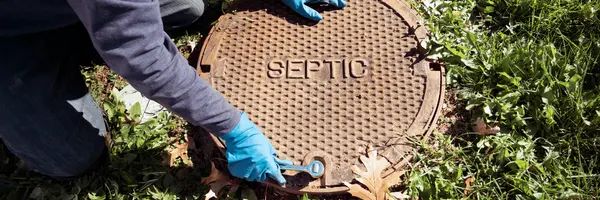
What it costs. For a typical single-family home in the Williamsburg area, plan on $400 to $700 for a general home inspection. Larger homes cost more, and add-on services raise the total. Common add-ons here include radon testing, and a swimming pool and pool equipment inspection if the home has one. Well and septic evaluations work differently: those are typically the seller's responsibility unless the contract states otherwise.
How long it takes. A thorough inspection runs two to four hours depending on the size and age of the home. I encourage my buyers to show up for at least the last hour. Walking the property with your inspector teaches you more about your future home than any document will.
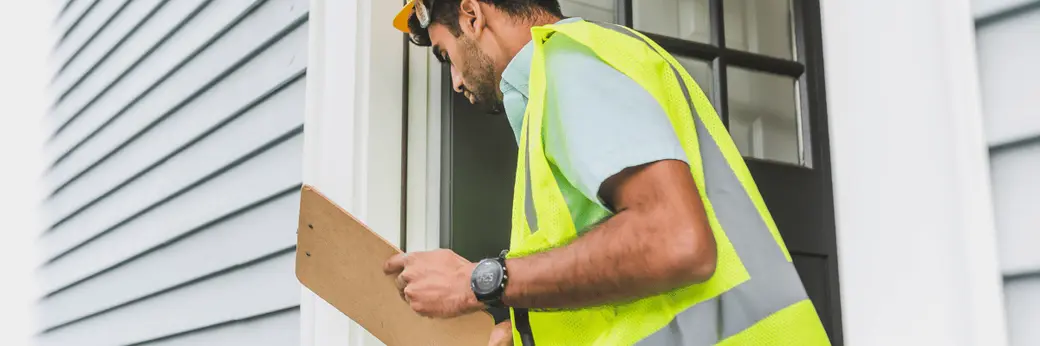
What gets inspected. A licensed inspector works from the roof down to the foundation: roofing, siding, windows, attic, insulation, electrical panel and outlets, plumbing, HVAC systems, water heater, built-in appliances, structural framing, and the crawl space or slab.
Here's a local detail most buyers don't know: Virginia home inspectors aren't required to enter a crawl space in every situation. Under Virginia's home inspector regulations and the standards inspectors follow, physical entry can be skipped when the crawl space is unsafe or unsanitary, when there's less than 24 inches of vertical clearance, or when the access opening is smaller than 16 by 24 inches. Even then, the inspector must still visually check the crawl space from the access point, and the report must note and explain the method used to inspect the area, or state why entry was skipped. Before you hire an inspector, ask directly whether they physically enter and traverse accessible crawl spaces. In a region this humid, the difference between a peek and a full crawl can be the difference between catching a problem and inheriting one.
One more point that surprises buyers: who provides utilities during the inspection is negotiated in the contract. Either the buyer or the seller can provide them, and most of the time the buyer requests that the seller provide utilities for both the home inspection and the final walkthrough. Your inspector needs power and water flowing to test systems properly, so make sure your offer addresses it.
And remember why this all matters so much here. Virginia is a buyer-beware state. The Residential Property Disclosure Statement sellers provide tells you very little by design, because it mostly directs you to do your own homework. Your inspection period is that homework. Treat it as the single best consumer protection you have in a Virginia purchase.
The Termite and Moisture Inspection Is a Separate Inspection
Buyers relocating from other states are often surprised by this one. In Hampton Roads transactions, the termite and moisture inspection is its own inspection, ordered separately from the general home inspection, and it carries real weight with lenders.
In short, it checks for three things: wood-destroying insects, moisture in the crawl space and structural wood, and active fungus growth. The moisture portion is not a mold inspection, which is a separate, different service. Who orders and pays for it is negotiated in the offer, and if you're financing, most lenders require the report within 30 days of closing.
There's a lot more to know about this one, including the misconceptions that trip up both buyers and sellers, so I wrote a full guide on it. Read my breakdown of termite and moisture inspections in Williamsburg for who pays, when to order it, and what happens if something turns up.
Why does our area take this inspection so seriously? Geography. The Historic Triangle sits in a humid coastal climate, and a large share of homes in neighborhoods across James City County and York County are built over crawl spaces. Moisture, wood rot, and insect activity are common, manageable, local realities. They're rarely deal-killers when caught and addressed. They're expensive when ignored.
What Happens After You Get the Report
Your inspection report usually arrives within 24 to 48 hours, and it will be long. Every report is. Inspectors document everything they see, from a missing outlet cover to a foundation concern, so a 50-page report on a well-maintained home is normal. Even brand-new homes generate repair lists, which is one reason I recommend inspections on new construction too. If you're weighing that decision, my guide on new construction versus resale in Williamsburg goes deeper.
When we review the report together, we sort findings into three buckets:
- Big-ticket items: structure, roof, HVAC, electrical, plumbing, and anything moisture-related
- Safety items: things like missing handrails, GFCI outlets, or flue issues
- Cosmetic and maintenance items: the stuff every homeowner handles over time
Your contract's inspection contingency gives you options based on what turns up. Depending on your terms, you can move forward as-is, request repairs, negotiate a credit toward closing costs, or walk away within your contingency window. How much negotiating room you have depends on the market at that moment, and that's where local, current knowledge earns its keep.
If the seller agrees to repairs, we ask for licensed contractors and receipts, then verify the work at your final walkthrough, with utilities on so everything can be tested. That's another reason the utility arrangement in your contract matters.
Two notes for military buyers. First, if you're using a VA loan, the VA appraisal checks the home against minimum property requirements, but it is not a home inspection and doesn't replace one. You want both. Second, the inspection window fits comfortably inside a standard PCS purchase schedule. My breakdown of buying a house on a PCS timeline in Williamsburg shows where inspection week lands in the 45 to 60 day contract-to-close stretch, and my guide to VA loan closing costs in Williamsburg covers where the inspection fee fits among your upfront out-of-pocket costs.
Frequently Asked Questions
How much does a home inspection cost in Williamsburg, Virginia?
A general home inspection for a single-family home in the Williamsburg area typically costs $400 to $700, depending on the home's size and age. Add-on services like radon testing or a swimming pool inspection increase the total. Well and septic evaluations are typically the seller's responsibility unless the contract states otherwise. The separate termite and moisture inspection usually runs about $50 to $150.
Do home inspectors in Virginia have to enter the crawl space?
Not in every situation. Virginia inspectors can skip physical entry when the crawl space is unsafe or unsanitary, has less than 24 inches of vertical clearance, or has an access opening smaller than 16 by 24 inches. They must still visually check it from the access point, and the report must explain the method used or why entry was skipped. In the Williamsburg area's humid climate, hire an inspector who physically enters accessible crawl spaces.
Is the termite and moisture inspection the same as the home inspection?
No. It's a separate inspection that covers wood-destroying insects such as termites, carpenter ants, and powder post beetles, moisture readings throughout the crawl space and structural wood, and active fungus growth. The moisture portion is not a mold inspection, which is a separate, different service.
Who provides utilities during a home inspection in Virginia?
It's negotiated in the contract. Either the buyer or the seller can provide utilities, and most of the time the buyer requests that the seller provide them for both the home inspection and the final walkthrough so all systems can be tested.
Can you back out of buying a house after the inspection in Virginia?
It depends on the inspection contingency terms in your ratified contract. Most Virginia contracts give buyers a defined window to negotiate repairs or withdraw based on inspection findings. Review your specific contingency language with your agent before the window opens so you know exactly where you stand.
The Bottom Line on Williamsburg Home Inspections
In a buyer-beware state like Virginia, your inspection period is where you protect yourself, and in this market that means paying close attention to crawl spaces, moisture, and the separate termite and moisture inspection. With the right inspector and a clear negotiation plan, inspection week becomes a checkpoint, not a crisis.
This is exactly the stretch of the transaction where I stay closest to my clients, because the decisions you make in those few days follow you for years.
Planning a move to the Williamsburg area? I put together the Williamsburg Military Relocation Guide, loaded with local insights, tips, and the details that make a PCS or relocation go smoothly. Grab your copy here: Williamsburg Military Relocation Guide
About Jackie Berberabe
Jackie Berberabe is a licensed real estate agent in the Commonwealth of Virginia and a Military Relocation Professional with Real Broker LLC, serving Greater Williamsburg, including James City County and York County. With more than 20 years of experience, she helps military families, relocating buyers, and local sellers move through every step from preparation to closing, with deep knowledge of VA loans and the local market. Reach Jackie at 757-870-1902 or jackie@goodtobeehome.com. Real Broker LLC, 855-450-0442.
Categories
Recent Posts





GET MORE INFORMATION